Stitching Silence: The Legacy of Lucknow’s Shadow Work Embroidery
A spotlight on the artisans behind Chikankari's delicate shadow stitches, highlighting how modern direct-to-consumer fashion is modernizing this royal craft.
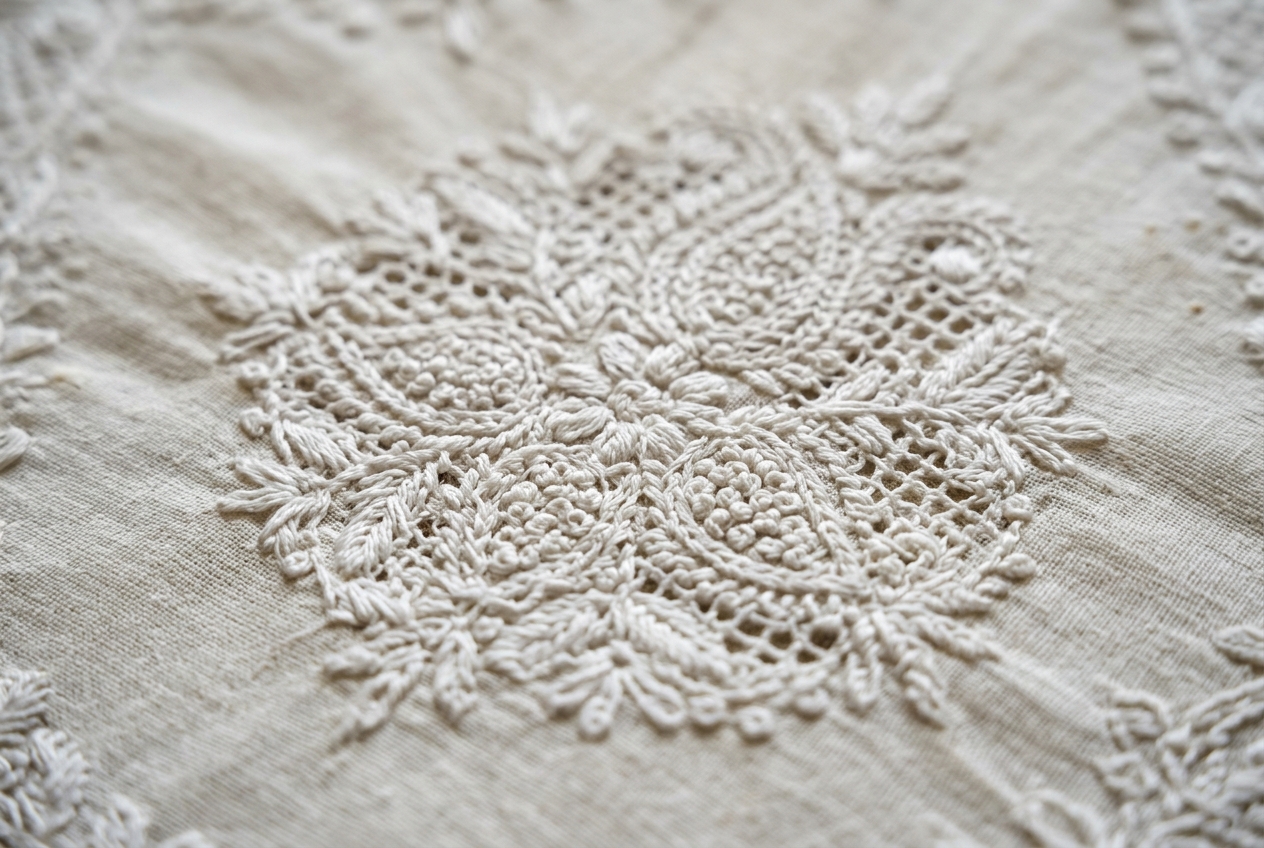
In the narrow lanes of Lucknow, artisans practice an art form that has survived for centuries: Chikankari. Originally favored by Mughal royalty, this delicate shadow-work embroidery is famous for its intricate white stitches on fine muslin and cotton fabrics. Today, as D2C brands scale, this heritage craft is finding a new lease of life in contemporary wardrobes.
The Anatomy of the Shadow Stitch
Chikankari is unique because of its textural depth. The embroidery relies on 36 distinct stitching techniques:
- Tepchi: A simple running stitch that creates the outline of floral designs.
- Bakhiya: A herringbone stitch done on the reverse side of the fabric, creating a beautiful shadow effect on the front.
- Jaali: An open thread-work technique where threads are gently parted without cutting the cloth, creating a net-like lace texture.
This delicate handwork creates a subtle, understated elegance. Unlike heavier embellishments, Chikankari relies on the play of light and shadow, making it perfect for India’s warm climate.
Balancing Preservation and Scale
The main challenge for Lucknow’s artisans is maintaining the authenticity of hand-embroidery in a market flooded with machine-made replicas. Authentic Chikankari requires months of skilled labor for a single garment. Modern fashion entrepreneurs are stepping in to build ethical supply chains. By paying fair wages and educating consumers on the value of genuine handwork, they are preserving this heritage.
For fashion founders, Chikankari represents the ultimate test: how to respect the slow, rhythmic pace of traditional craftsmanship while meeting the demands of a fast-moving digital market.